Understanding the Difference Between Traditional Blood Work and Functional Lab Testing
Have you ever been told, “Your labs look normal,” but you still feel exhausted, gain weight easily, can’t sleep, or notice your hair thinning?
You’re not alone, and you’re not imagining things.
Many people walk out of doctor’s appointments feeling dismissed, confused, and frustrated. They’ve spent time and money, yet they leave without answers. So why does this happen?
The issue often isn’t you, it’s the type of lab testing being used.
Let’s break down the difference between traditional blood work and functional lab testing, and why “normal” doesn’t always mean optimal.
Why Blood Work Can Look “Fine” When You Feel Anything But
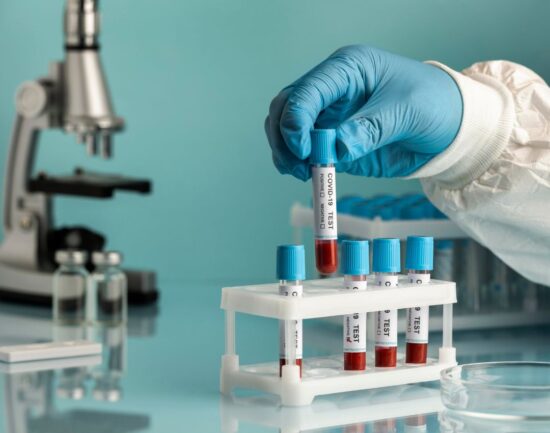
Blood is incredibly good at staying stable. Your body will compensate sometimes for years, to keep blood levels within range.
But that compensation often comes at a cost.
That’s why functional practitioners also look at other testing methods, such as:
- Stool
- Saliva
- Urine
- Hair
These can reveal deeper dysfunction that blood work alone may miss.

Functional lab testing asks: Where is dysfunction starting, and why?
Functional labs focus on optimal ranges, not just reference ranges. They look for subtle imbalances and patterns that may explain symptoms long before a disease develops.
Or copy and paste this link in your browser:
https://youtu.be/Bzn0PxKtZAQ?si=5L3aiYLaz2hzfxKo
A Real-Life Example: When “Normal” Misses the Root Cause
One client was told her labs were normal, except for slightly elevated cholesterol. Over the course of a year, she gained 15 pounds, felt constantly tired, and experienced significant hair loss.
She assumed it was stress.
A more comprehensive functional panel revealed poor thyroid hormone conversion, pointing to a sluggish metabolism. Once that root issue was identified, everything finally made sense.
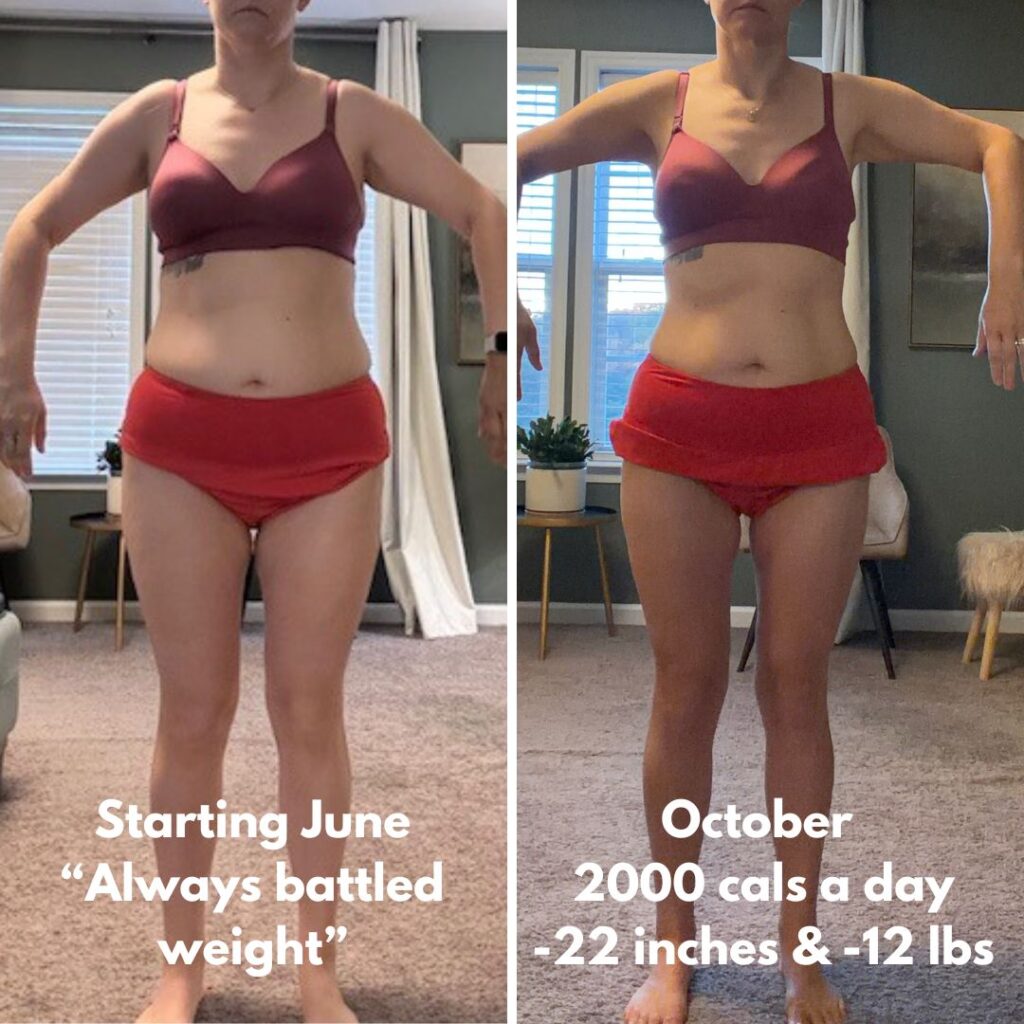
That’s the power of functional lab testing, it connects the dots.
Who Functional Lab Testing Is For
Functional lab testing may be right for you if:
- You feel off but are told everything is “fine”
- Weight won’t budge despite dieting
- Sleep is broken
- Hormones feel chaotic
- You don’t have a diagnosis, but you don’t feel well
You may not have a disease but you could absolutely have dysfunction.
And dysfunction deserves answers.
What’s Next?
In the next post, we’ll walk you through exactly how blood work is analyzed functionally, and how lab data is turned into real, personalized nutrition, lifestyle, and supplement recommendations.
Because your symptoms are real.
And “normal” isn’t the same as healthy.
Thanks for reading 💛